10 Warning Signs Your Transmission Is Going Bad (And What They Mean)
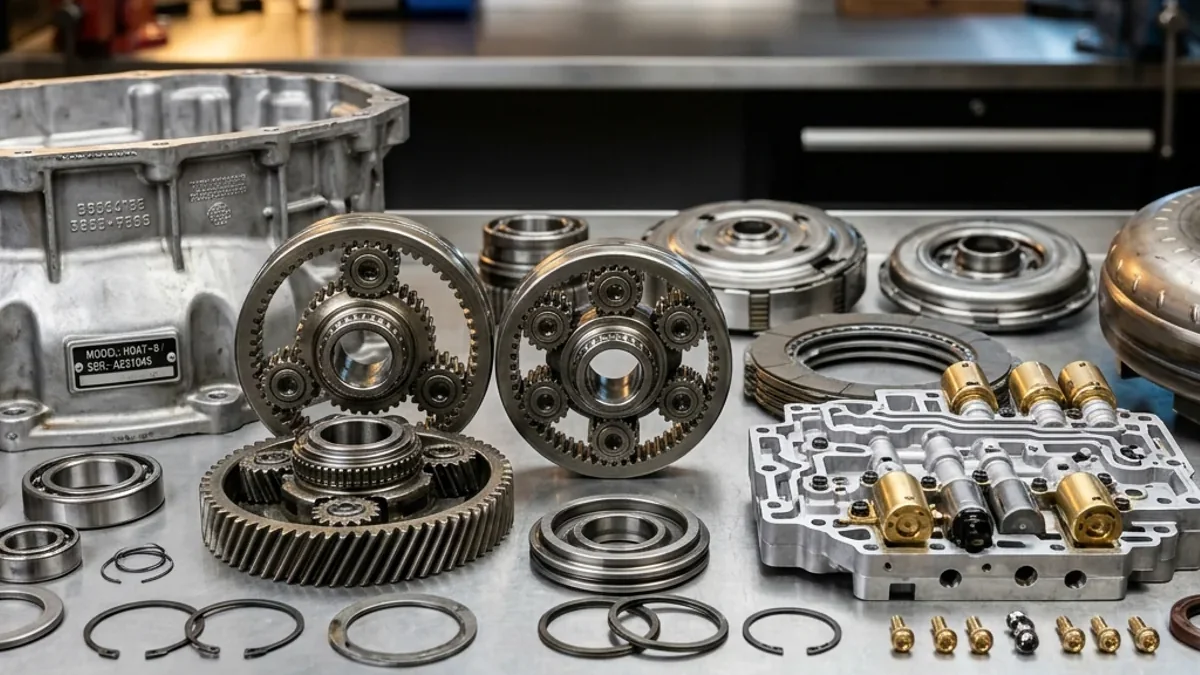 Representative image
Why Catching Transmission Trouble Early Saves Thousands
Few automotive breakdowns are as expensive or disruptive as complete transmission failure. In an automatic transmission, hundreds of precision hydraulic, electronic, and mechanical parts work together under high pressure. When one small seal or solenoid begins to degrade, it quickly creates a domino effect throughout the entire transmission.
Driving for just a few extra days with a slipping clutch pack or low fluid can turn a straightforward solenoid repair into a complete rebuild. Here are the top ten warning signs that your transmission requires immediate professional inspection.
---
1. Slipping Out of Gear & Engine Rev Flare When you step on the accelerator, the engine tachometer spikes upward, but your vehicle barely increases speed. You might feel a delayed 'clunk' as the transmission suddenly catches. This indicates that internal hydraulic pressure is failing to keep friction clutches firmly clamped together, causing the steel plates and friction discs to rub and incinerate their lining.
2. Delayed Shifting or Hesitation When Selecting Drive or Reverse When shifting from Park into Drive or Reverse, there should be an almost instantaneous engagement. If your vehicle hesitates for two, three, or five seconds before violently engaging with a jolt, your transmission has hardened internal rubber piston seals or sticking valve body spools.
3. Harsh, Clunking, or Jarring Gear Transitions Smooth, imperceptible shifts are the hallmark of a healthy modern transmission. If your vehicle shakes, bangs, or jolts your passengers every time it shifts between second and third gear, your Transmission Control Module (TCM) may be battling extreme line pressure spikes or mechanical clutch binding.
4. Burnt Acrid Odor from Transmission Fluid Healthy automatic transmission fluid (ATF) is translucent cherry-red with a mild petroleum smell. If you pull the dipstick (or our technicians inspect the fluid) and find it dark brown or black with a distinct burnt, acrid smell, your clutches have experienced severe thermal breakdown. Once fluid burns, it loses its lubricity and hydraulic viscosity.
5. Bright Pink or Red Puddles Beneath Your Vehicle Unlike engine oil, which is amber or black, automatic transmission fluid is dyed bright red. If you spot red fluid pooling beneath the middle or front of your vehicle, you have an active leak. Common leak points include the transmission pan gasket, torque converter front pump seal, output axle seals, or rusted cooler lines.
6. Shuddering or Vibration at Highway Speeds (Fishbite Sensation) Many drivers describe a strange sensation at 40 to 60 mph that feels like driving over rumble strips or experiencing subtle engine misfires. In modern vehicles, this is frequently **Torque Converter Clutch (TCC) shudder**, caused by worn lockup clutches or contaminated friction fluid.
7. Whining, Humming, or Buzzing Noises A healthy transmission is virtually silent. High-pitched whining that changes pitch with engine RPM is usually a failing hydraulic front pump or a clogged internal suction filter starving the pump of fluid. In manual transmissions, growling indicates worn countershaft bearings.
8. Illuminated Check Engine Light or Transmission Indicator Modern vehicle computers monitor internal shaft speeds down to the millisecond. If the input shaft speed and output shaft speed do not match the expected mathematical gear ratio, the TCM triggers a gear ratio error code (such as P0730, P0731, or P0732) and illuminates your dashboard warning lights.
9. Transmission Operating in 'Limp Home' Mode If your vehicle suddenly refuses to shift past 2nd or 3rd gear, your powertrain computer has activated **Limp Mode** (safe mode). This is a protective default engineered to allow you to drive slowly to a repair facility without allowing damaged gears to explode through the case.
10. Neutral Drop Noise or Clutch Drag in Manual Transmissions If you drive a standard manual transmission and hear a distinct rattle or growl while sitting in neutral with the clutch pedal released, your input shaft bearing is wearing out. If shifting into reverse grinds, your clutch disc is failing to fully release.
---
What Should You Do If You Notice These Symptoms? Do not continue driving a vehicle that is actively slipping or overheating. Have it inspected by a specialized powertrain technician who can run live hydraulic pressure tests and computer diagnostics.
Experiencing These Symptoms on Your Vehicle?
Call to describe your vehicle's symptoms and ask about diagnosis and repair options.
Frequently Asked Questions
Call to Discuss Your Repair
Engine and transmission problems are easiest to explain by phone. Tell us your vehicle and symptoms (slipping, noises, warning lights) and we'll explain the likely next steps and how an estimate works.